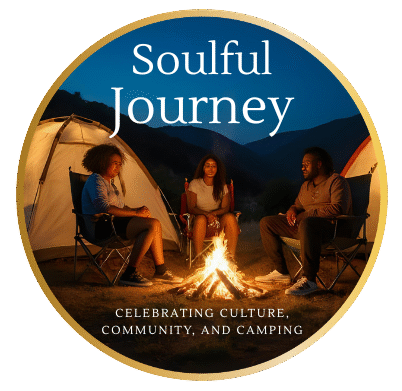
Camping and RVing are quintessential American pastimes, celebrated for their ability to connect people with nature, provide relaxation, and create lasting memories. However, for many African Americans, these activities come with unique barriers and challenges. This blog delves into the complexities that African Americans face in embracing camping and RV culture, from historical legacies to contemporary issues, and explores ways to overcome these obstacles.
Historical Context and Cultural Perceptions
The roots of camping and RVing in America are deeply entwined with a history that hasn’t always been inclusive. The early days of these activities were marked by segregation and exclusion, creating a legacy that persists in cultural perceptions and participation rates today.
- Historical Exclusion: During the early to mid-20th century, many national parks and campgrounds were segregated. African Americans were either prohibited from using these facilities or had limited access. This history of exclusion has had a long-term impact on the collective memory and cultural engagement with these activities.
- Cultural Perceptions: Camping and RVing are often seen as predominantly white activities. This perception is reinforced by media representation and the lack of visible diversity in outdoor recreation advertisements and publications. As a result, African Americans may feel that these spaces are not welcoming or intended for them.
Economic Barriers
Economic disparities significantly impact the accessibility of camping and RVing for African Americans. The financial requirements for participating in these activities can be prohibitive.
- Cost of Equipment: Camping and RVing require substantial investments in equipment. High-quality tents, sleeping bags, RVs, and other gear can be expensive. For those considering RVing, the cost of purchasing or renting an RV, along with maintenance and fuel, adds another layer of financial burden.
- Park Fees and Travel Costs: Entrance fees for national parks, campsite reservations, and the costs associated with travel (such as gas, tolls, and food) can quickly add up. For families on a tight budget, these expenses might make camping and RVing seem out of reach.
- Lack of Generational Wealth: Historical economic disadvantages have resulted in a significant wealth gap between African American families and their white counterparts. This gap means that many African American families may not have the discretionary income needed for leisure activities like camping and RVing.
Social and Psychological Barriers
The social dynamics and psychological comfort levels also play critical roles in the participation of African Americans in camping and RVing.
- Fear of Discrimination: The fear of encountering racism or discrimination while in predominantly white spaces can be a significant deterrent. Reports of racist incidents in campgrounds and national parks, although not widespread, do occur and can discourage African Americans from venturing into these areas.
- Lack of Representation: Seeing few people who look like themselves in camping and RVing settings can make African Americans feel out of place or unwelcome. This lack of representation can perpetuate feelings of alienation and discomfort.
- Safety Concerns: Concerns about safety in remote or unfamiliar areas can also be a barrier. African Americans may worry about their physical safety and whether they will be welcome in certain regions, particularly in rural or less diverse areas.
Structural and Institutional Barriers
There are also broader structural and institutional barriers that impact African American participation in camping and RVing.
- Limited Access to Information: Information about camping and RVing is often disseminated through networks that may not reach African American communities effectively. Outdoor clubs, social media groups, and informational resources may not be as accessible or tailored to African American audiences.
- Educational Opportunities: Many African Americans may not have had the same exposure to outdoor education programs that promote skills like camping, hiking, and RVing. This lack of early exposure can create a knowledge gap, making these activities seem daunting or inaccessible.
- Infrastructure and Accessibility: Urban areas, where many African Americans reside, often lack easy access to natural parks and camping sites. This urban-rural divide means that African Americans may have to travel farther and incur more expenses to reach camping and RV destinations.
Overcoming the Barriers: Pathways to Inclusion
Despite these challenges, numerous efforts and initiatives are aimed at making camping and RVing more inclusive for African Americans.
- Community Groups and Organizations: Organizations like Outdoor Afro and Black Girls Camp are working to create a more inclusive outdoor culture by organizing group camping trips, offering educational resources, and fostering a supportive community.
- Representation in Media: Increasing the visibility of African Americans in outdoor recreation media can help change perceptions and encourage participation. Highlighting diverse stories and experiences in camping and RVing can make these activities feel more accessible and inviting.
- Financial Assistance Programs: Some national parks and outdoor organizations offer financial assistance programs, such as reduced entrance fees or free equipment rental, to make camping more affordable for low-income families.
- Education and Outreach: Expanding outdoor education programs in schools and communities can help introduce camping and RVing skills to a more diverse audience. Outreach efforts can also include workshops, tutorials, and family-friendly events.
- Policy Changes: Advocating for policy changes that promote diversity and inclusion in outdoor recreation can help address some of the systemic barriers. This includes supporting legislation that funds outdoor programs in underserved communities and ensuring that public lands are welcoming to all.
Conclusion
Camping and RVing offer incredible opportunities for adventure, relaxation, and connection with nature. However, for African Americans, these activities come with unique challenges rooted in historical, economic, social, and structural barriers. By recognizing and addressing these obstacles, we can work towards a more inclusive and equitable outdoor culture. With continued efforts from communities, organizations, and policymakers, the joys of camping and RVing can become accessible to everyone, enriching the American outdoor experience for all.